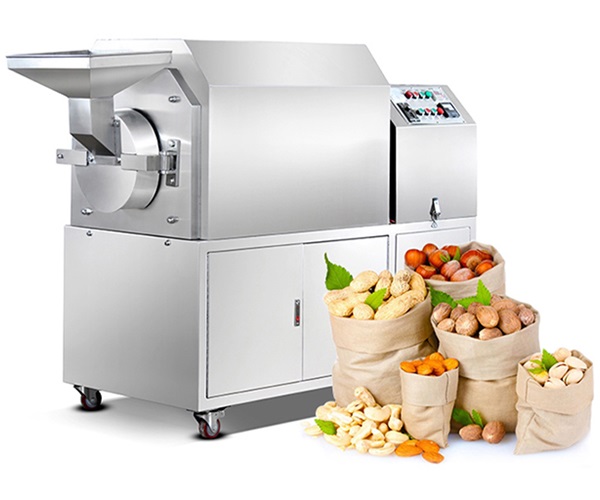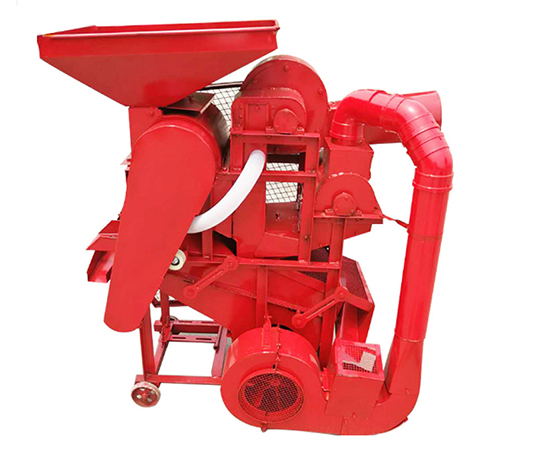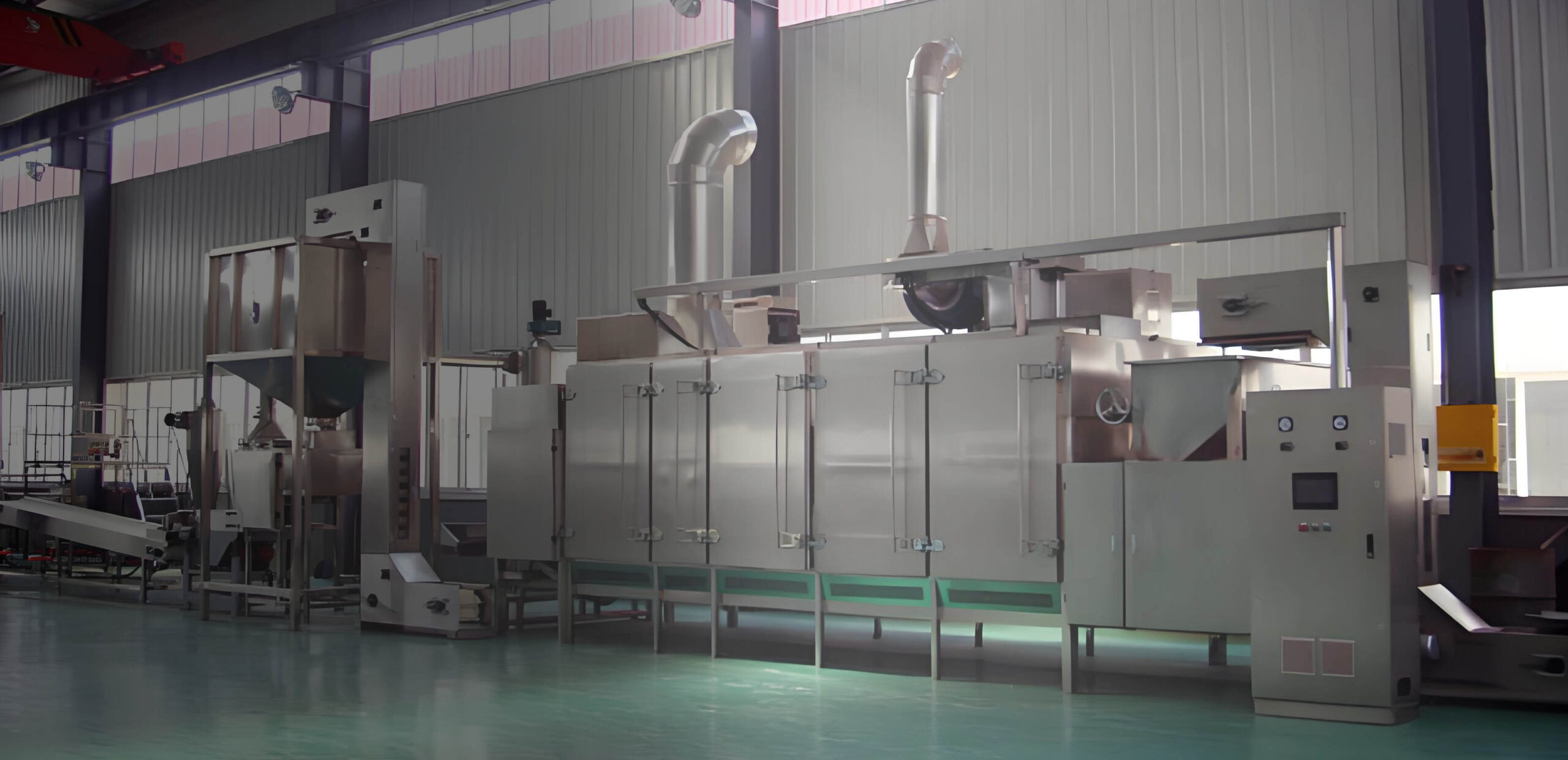

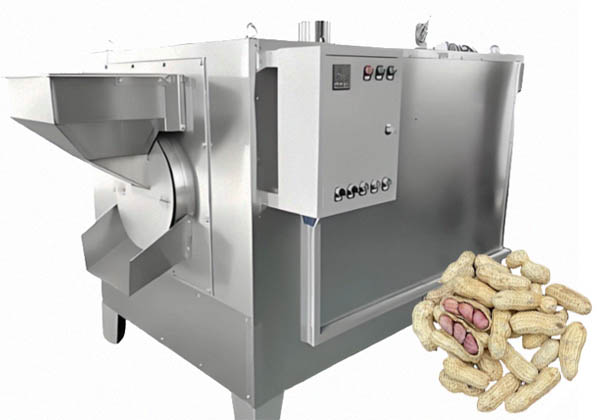
For operators of industrial peanut roasting equipment, abnormal noise is not merely an acoustic nuisance; it typically indicates accelerated mechanical wear, compromised electrical balance, or latent safety hazards that can escalate into costly unplanned downtime . The following diagnostic and corrective measures address the most common root causes of excessive noise in commercial peanut roaster machines, incorporating specific technical parameters and maintenance protocols to ensure professional-grade resolution.
1. Structural Fastener Integrity and Torque Verification
One of the most frequent—and most easily overlooked—sources of abnormal noise in a peanut roaster machine is the loosening of structural fasteners under sustained vibratory load. The constant oscillation of the roasting drum and the exhaust fan assembly can cause bolts, nuts, and support brackets to gradually lose preload tension. Loose components generate creaking or clanking noises, particularly during startup and the cooling phase when thermal expansion and contraction are most pronounced .
Professional Solution: Implement a torque-verification protocol every 50 hours of operation. Use a calibrated torque wrench to check all critical fasteners on the main frame, motor mounting base, drum support brackets, and bearing housings. For high-vibration connections, apply a medium-strength threadlocker (such as Loctite 243) to prevent recurrent loosening. Document all torque values and re-tightening actions in a maintenance log to identify patterns of chronic loosening that may indicate underlying alignment issues .
2. Bearing Lubrication and Thermal Degradation Management
The rotating drum and drive shaft of a peanut roaster machine rely on sealed bearings operating in a high-temperature environment—typically between 180°C and 220°C within the roasting chamber. Under these conditions, conventional lubricating greases degrade rapidly, leading to metal-on-metal contact that produces a sharp screeching sound or an intermittent rumbling noise . In peanut processing environments specifically, fine peanut dust particles smaller than 100 μm can penetrate bearing seals, mix with grease, and form abrasive compounds that dramatically accelerate wear .
Professional Solution: Transition to a preventive lubrication schedule using food-grade, high-temperature lithium-complex grease. For standard bearings, re-lubricate every 200 hours of operation; for bearings in proximity to the roasting drum or other high-temperature zones, reduce the interval to monthly. Grease filling should be limited to one-third to one-half of the bearing cavity to prevent over-packing and subsequent heat generation. If pitting is visible on bearing raceways or the cage shows deformation, replace the bearing immediately—delayed replacement can lead to shaft misalignment and motor burnout .
3. Vibration Isolation and Damping System Optimization
Vibration transmission from the roasting drum and drive motor to the machine base and floor is a primary pathway for structure-borne noise amplification. Industrial peanut roasting equipment should incorporate purpose-designed vibration isolation measures at both the source and the structural interface.
Professional Solution: At the equipment level, verify that the damping elements—typically rubber cones or spring mounts positioned between the roasting bowl assembly and the main housing—are intact and properly seated. At the installation level, ensure the machine is placed on a level, rigid concrete floor and that all adjustable feet are uniformly loaded. If the floor has inherent slope or unevenness, use precision shims to achieve uniform contact; a machine resting on three points instead of four will generate amplified low-frequency vibration and noise.
4. Foreign Object Elimination and Upstream Screening
Raw peanuts frequently contain impurities introduced during harvesting and transport: small stones, clumps of soil, and metallic fragments from field equipment. When these foreign objects become lodged between the rotating drum and the internal agitator blades, they produce sharp scraping sounds or periodic impact noise that can damage the drum surface and disrupt heat distribution .
Professional Solution: Install a magnetic separator and a vibrating screen upstream of the peanut roaster machine feed point to remove ferromagnetic metals and oversized debris before they enter the roasting chamber. If scraping noise occurs during operation, immediately shut down the machine, disconnect power, open the cleaning hatch, and inspect the drum interior for foreign objects and surface scratches. Use a vacuum system rather than compressed air to remove debris, as compressed air can redistribute conductive peanut dust into electrical enclosures .
5. Motor and Electrical System Diagnostics
The drive motor—typically rated between 3 kW and 15 kW for mid-range commercial peanut roasters—can itself become a noise source if rotor imbalance develops or internal motor bearings fail. Symptoms include a low-frequency humming accompanied by intermittent vibration and a surface temperature exceeding 90°C during normal operation . Additionally, conductive peanut dust accumulation inside electrical cabinets can cause short circuits, while vibration loosens terminal connections and accelerates contact corrosion .
Professional Solution: Use a clamp meter to measure motor current; fluctuations exceeding ±10% of the rated value suggest rotor imbalance, capacitor degradation, or winding issues. Do not attempt internal motor repairs without certified electrical expertise. For the control cabinet, upgrade to IP65-rated enclosures with positive-pressure filtered ventilation, and establish a weekly external inspection and quarterly internal cleaning schedule. Verify that all sensor cables are shielded and routed separately from power conductors to prevent electromagnetic interference from generating false signals or erratic speed fluctuations .
Preventive Maintenance Schedule for Noise Control
Sustainable quiet operation of a peanut roaster machine requires a structured maintenance calendar rather than reactive repairs. The following intervals are recommended for commercial operations running single-shift production:
| Interval | Action Items | Acceptance Criteria |
|---|---|---|
| Every 50 hours | Torque check on critical fasteners; belt tension inspection | No loose bolts; belt deflection 10–15 mm |
| Every 200 hours | Bearing re-lubrication (standard zones) | Grease cavity 1/3–1/2 full; no discoloration |
| Monthly | Vibration monitoring; infrared temperature check on bearings and motor | Bearing temperature rise <40°C above ambient; vibration within baseline |
| Quarterly | Internal cabinet cleaning; sensor calibration verification | No dust accumulation on PCBs; sensor readings within ±2% |
| Annually | Planned replacement of critical bearings; full alignment verification | New bearings installed; laser alignment confirmed |
By systematically addressing each noise source—from fastener torque and lubrication degradation to vibration isolation and drive alignment—operators can achieve measurable reductions in sound pressure levels while simultaneously extending the service life of their industrial peanut roasting equipment. When noise persists despite these measures, acoustic testing with a calibrated sound level meter can identify residual peak frequencies and guide targeted attenuation measures, such as enclosure treatments or modified damping specifications .
FAQ:
Q: What is the normal noise level for a commercial peanut roaster machine?
A: Normal operational noise for a well-maintained industrial peanut roaster typically ranges from 70 to 80 dB(A) at one meter distance, depending on drum capacity and drive configuration. Noise exceeding 85 dB(A), or the emergence of tonal or impact sounds distinct from the baseline, warrants immediate investigation.
Q: How often should I lubricate the bearings on my peanut roaster machine?
A: Standard bearings should be re-lubricated every 200 operating hours. Bearings located near the roasting drum or in other high-temperature zones (above 150°C ambient) should be serviced monthly with food-grade high-temperature grease. Always use NSF H1-registered lubricants in peanut processing environments.
Q: What is the most cost-effective noise reduction measure for an existing peanut roaster?
A: Fastener torque verification and bearing re-lubrication address the majority of abnormal noise complaints at minimal cost. If noise persists after these steps, vibration isolation pads or mounts at the machine base provide the next highest return on investment before considering enclosure or structural modifications.