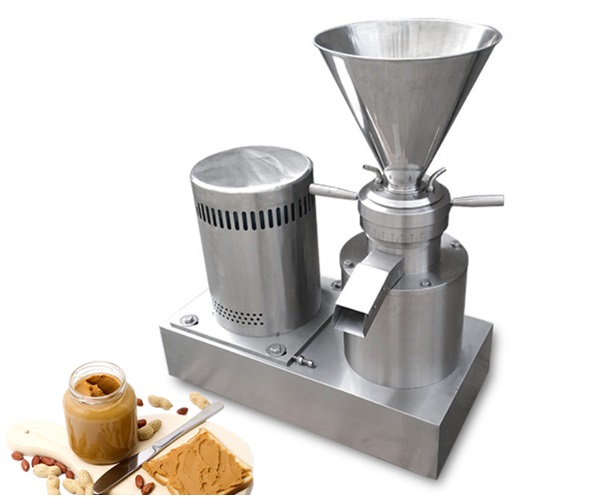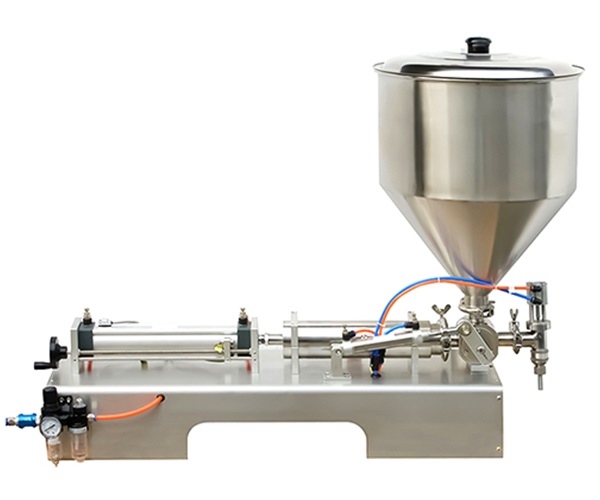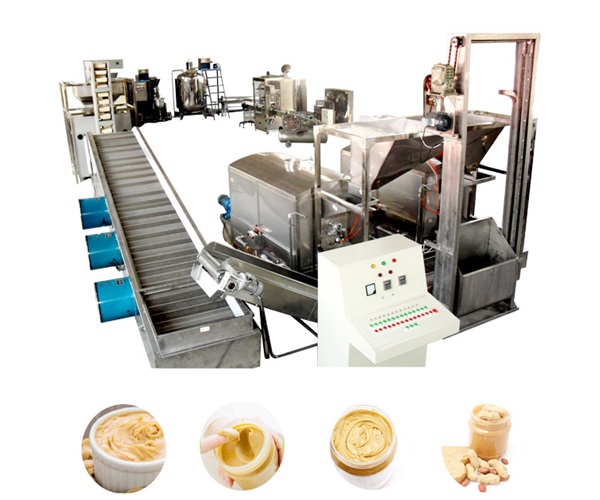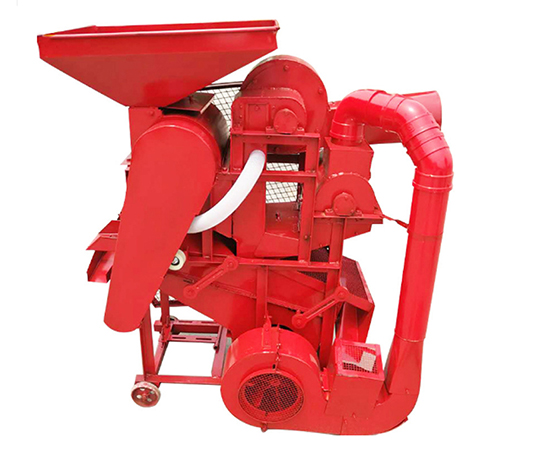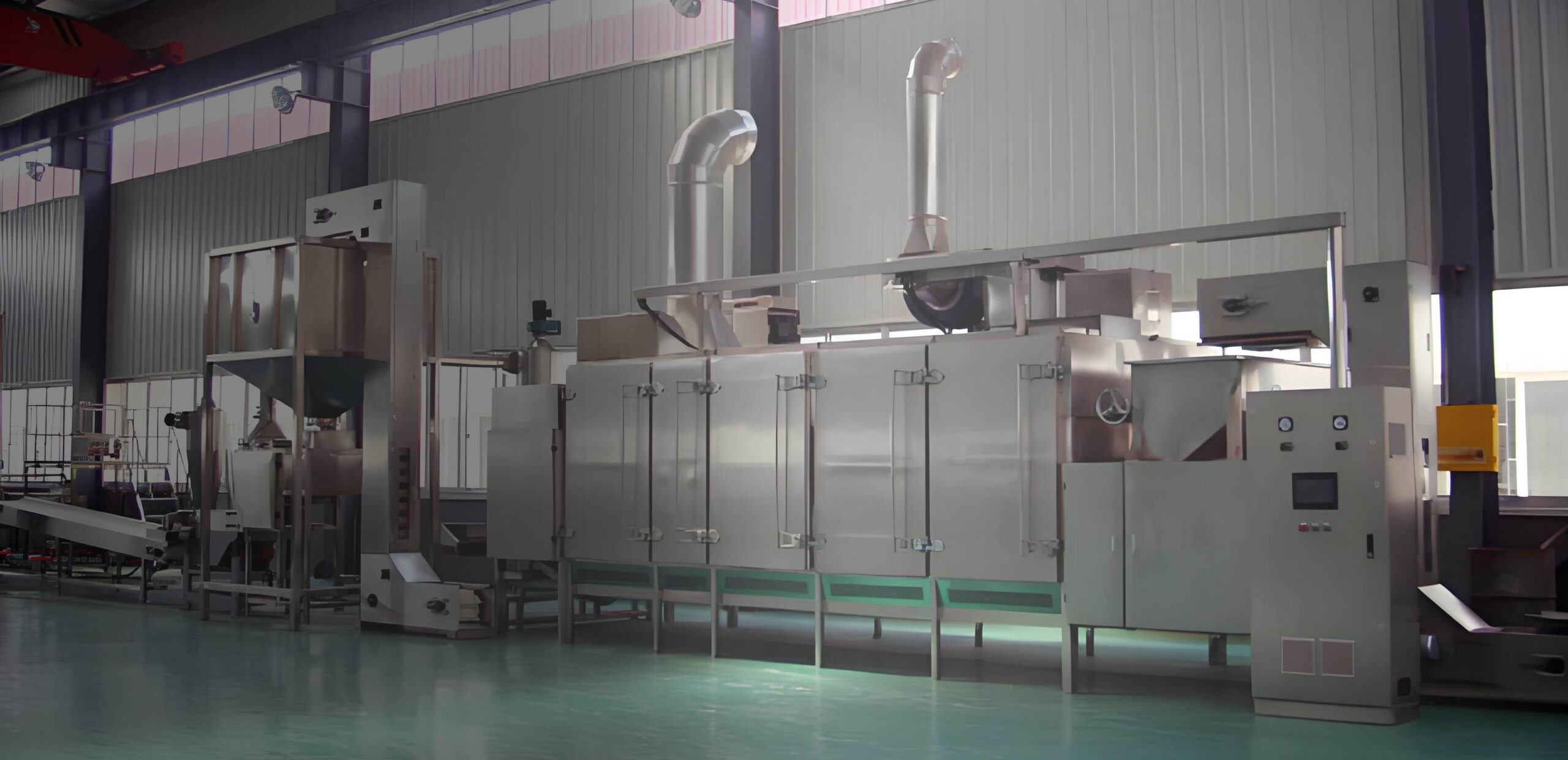

Roasting is a critical step in a peanut butter production line, directly affecting the flavor, aroma, color, texture, and overall quality of the finished peanut butter. Proper roasting helps develop the characteristic roasted peanut flavor, reduces moisture content, and prepares peanuts for subsequent cooling, peeling, and grinding.
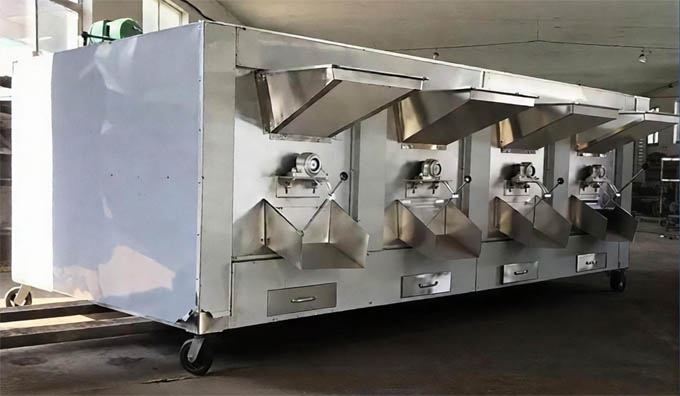
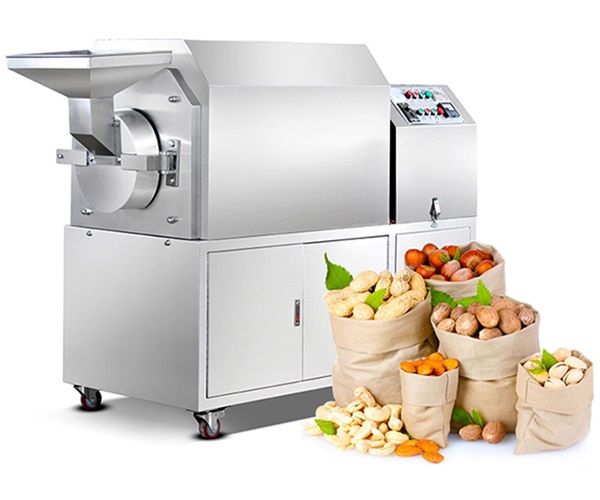
An industrial peanut roaster machine provides controlled heating and consistent processing conditions for commercial peanut butter manufacturing. Depending on the production requirements, a peanut roasting machine can operate independently or be integrated into a complete peanut butter production line.
Besides peanuts, suitable roasting equipment can also process almonds, pistachios, cocoa beans, and other materials, provided the machine is configured for the specific product.
To achieve consistent roasting results, manufacturers should pay attention to the following five factors.
1. Control Roasting Temperature and Time
Temperature and roasting time are two of the most important parameters affecting peanut quality. Insufficient roasting may result in a weak aroma, poor flavor development, and difficult skin removal. Excessive roasting can cause dark coloration, bitter flavors, and uneven product quality.
The appropriate roasting conditions depend on peanut variety, kernel size, initial moisture content, batch size, and the required flavor profile. For example, peanuts intended for peanut butter may require a different roasting profile from those sold as ready-to-eat snacks.
As a starting point for process trials, many peanut roasting applications use temperatures in the approximate range of 120–160°C. Actual settings vary with the roaster design, heating method, product load, and whether the stated temperature refers to the hot air, drum, or peanut kernels. Roasting time must therefore be validated under actual operating conditions rather than determined by temperature alone.
Practical recommendations:
- Preheat the peanut roaster machine to the specified operating temperature before feeding.
- Maintain a consistent feed rate and loading level.
- Monitor product color, aroma, moisture, and temperature throughout the roasting cycle.
- Conduct trial runs to establish a repeatable roasting profile for each peanut variety.
Accurate temperature control and repeatable roasting time help improve flavor consistency and reduce energy waste.
2. Manage Moisture Content and Humidity
Moisture content influences heat transfer, drying rate, and the development of roasted peanut flavor. Peanuts with higher initial moisture generally require more energy and time to reach the target roasting condition.
Air humidity also affects moisture evaporation. Under comparable temperature and airflow conditions, higher relative humidity can reduce the driving force for evaporation, slowing the drying process.
However, faster moisture removal does not automatically mean better roasting quality. Excessively rapid drying or uneven heating may contribute to cracking, uneven texture, and other quality defects.
Best practices include:
- Check the initial moisture content of incoming peanuts.
- Keep raw material storage conditions stable to prevent moisture fluctuations.
- Adjust the roasting profile according to kernel size and moisture level.
- Verify final moisture content using a suitable moisture analyzer.
For a peanut butter production line, consistent raw material moisture helps the roaster operate more predictably and supports stable downstream peeling and grinding performance.
3. Optimize Hot-Air Circulation and Heat Distribution
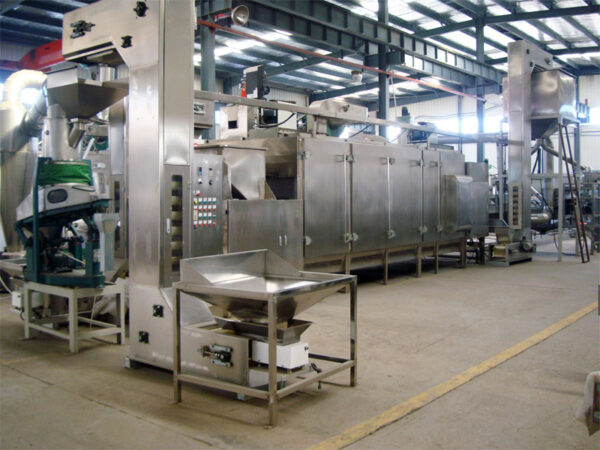
Air circulation is essential for efficient heat transfer in a hot-air peanut roaster machine. Adequate airflow distributes heat throughout the roasting chamber and helps remove water vapor released from the peanut kernels.
Insufficient airflow may lead to uneven roasting, while excessive airflow can increase heat loss, energy consumption, and the movement of lightweight materials in some equipment designs.
The ideal airflow depends on the roaster structure, heating system, and processing capacity.
To improve roasting uniformity:
- Inspect fans, air ducts, and ventilation openings regularly.
- Maintain the recommended airflow and heating settings.
- Avoid overloading the roasting chamber.
Check for differences in kernel color and roasting degree across the product batch. A well-desi gned industrial peanut roaster combines appropriate airflow, stable heating, and effective material movement to achieve consistent roasting results.
4. Maintain Food Hygiene and Prevent Cross-Contamination
Food safety is essential in commercial peanut roasting and peanut butter manufacturing. Residual peanut fragments, accumulated oil, and dust can affect product hygiene and equipment performance.
Clean the peanut roaster machine according to the manufacturer’s instructions and the plant’s food safety procedures. Use food-contact-compatible cleaning agents and approved sanitizers where applicable. Ensure that equipment surfaces are adequately rinsed or dried when required by the cleaning procedure.
Additional precautions include:
- Establishing documented cleaning and sanitation schedules.
- Inspecting product-contact surfaces for residue and deterioration.
- Preventing contamination from lubricants, foreign materials, and maintenance activities.
- Controlling allergens when peanuts and other ingredients are processed in the same facility.
5. Perform Regular Inspection and Preventive Maintenance
Routine maintenance helps ensure stable roasting performance, reduce unplanned downtime, and extend the service life of peanut butter processing equipment.
Key components of a peanut roaster machine include the heating system, temperature sensors, fans, drive motors, bearings, control panel, and transmission components.
A preventive maintenance program should include:
- Checking temperature sensors and control systems for accuracy.
- Inspecting heating elements, burners, and electrical connections as applicable.
- Cleaning air passages and inspecting fans for abnormal noise or vibration.
- Checking belts, bearings, and drive components for wear.
- Recording maintenance activities and replacing damaged parts promptly.
Temperature sensors should be calibrated at scheduled intervals. Accurate measurements help operators maintain consistent roasting conditions and identify process deviations before they affect product quality.
Conclusion
Consistent roasting quality depends on more than the heating capacity of a peanut roaster machine. Temperature and time control, moisture management, airflow optimization, food hygiene, and preventive maintenance all contribute to reliable production.
For manufacturers investing in a peanut butter production line, selecting suitable roasting equipment and establishing a validated operating procedure can improve flavor consistency, production efficiency, and finished-product quality.
Huanyang provides peanut processing machinery and integrated production line solutions for commercial applications. When selecting a peanut roasting machine, consider processing capacity, heating method, temperature control, energy consumption, and compatibility with downstream cooling, peeling, and grinding equipment to build a production system suited to your requirements.