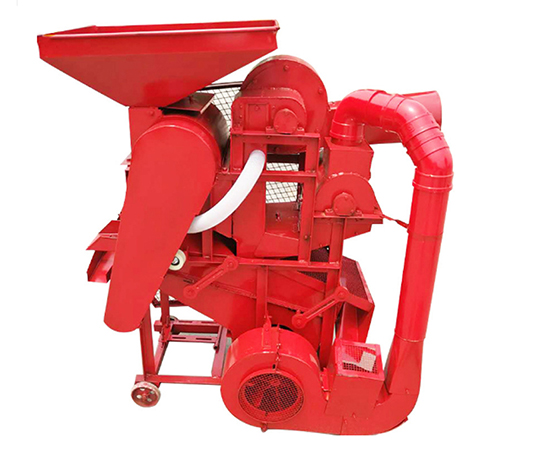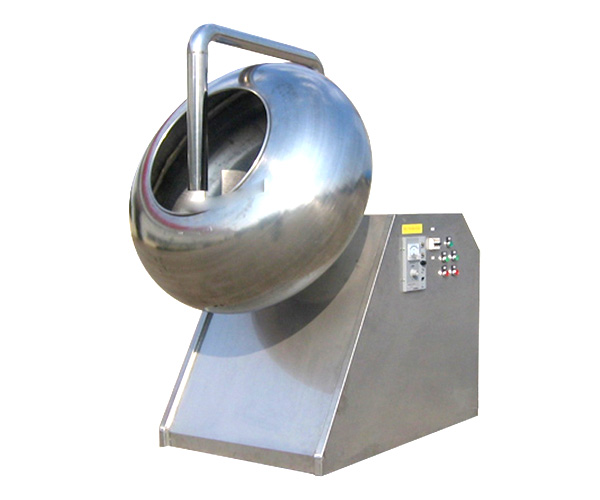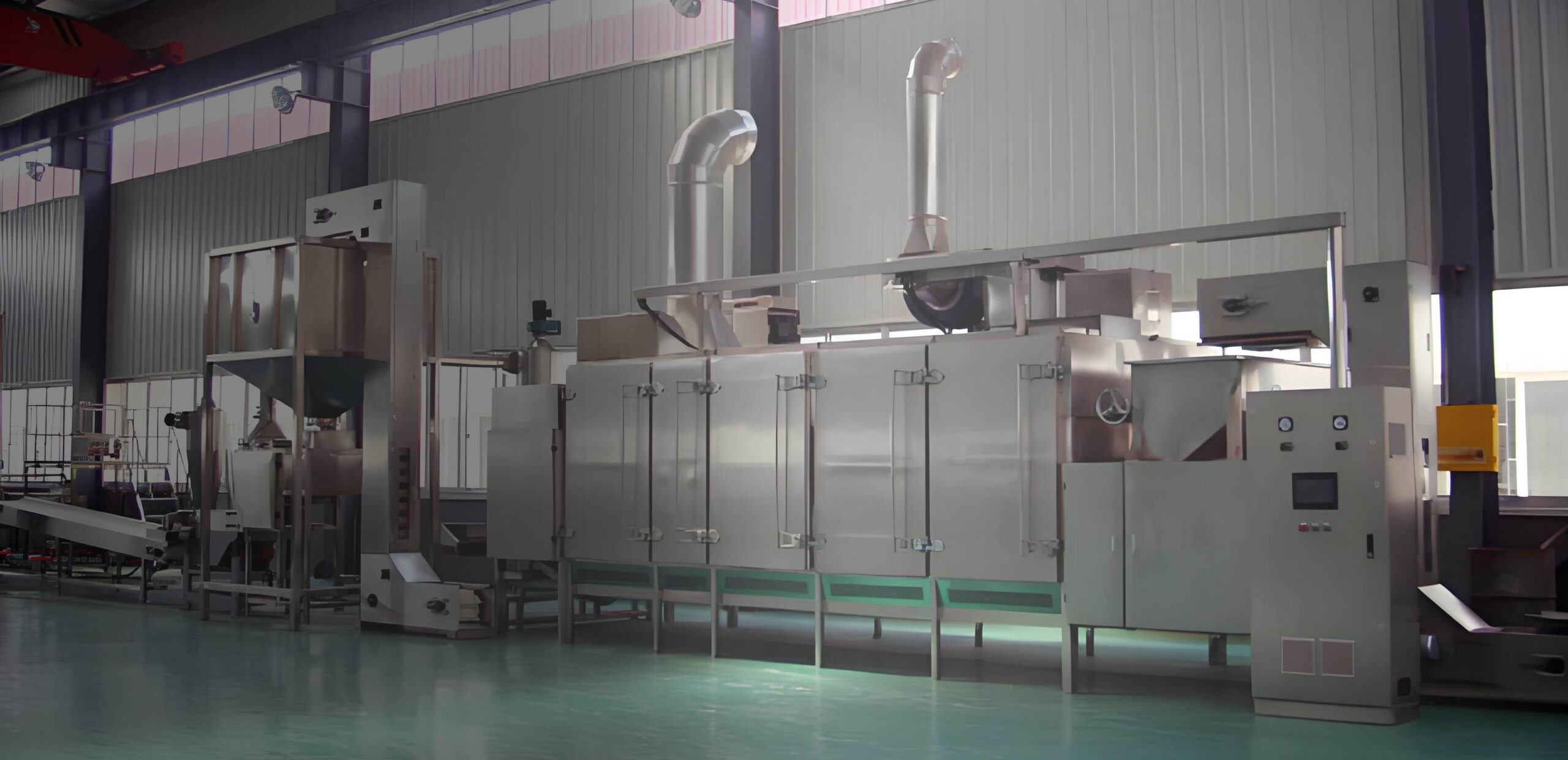

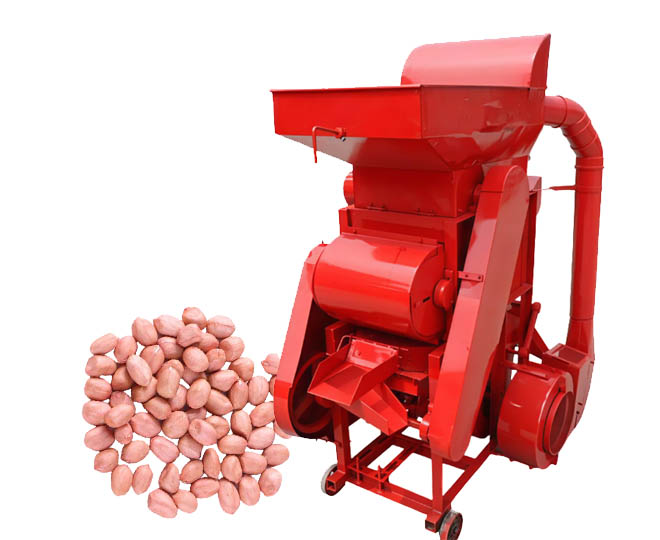
A peanut sheller machine is a professional piece of agricultural equipment designed to remove the hard outer shell of peanuts while keeping the kernels intact. A typical peanut machine consists of a frame, a fan, a rotor, a single-phase or three-phase motor, large and small screens, a feed hopper, a vibrating screen, triangle pulleys, and transmission belts.
After the peanut sheller machine starts running normally, peanuts are fed into the hopper quantitatively, evenly, and continuously. The peanut shells crack under the repeated impact, friction, and collision of the high-speed rotor. Under the rotating wind pressure and impact generated by the rotor, the peanut kernels and broken shells pass through a screen with a specific aperture. The large-hole screen is normally used for the first threshing, while the cleaned small peanuts are re-fed with a small-hole screen for the second shelling. At this stage, the light shells are blown out of the body by the fan’s airflow, and the kernels are graded by the vibrating screen to achieve the purpose of cleaning and grading.
In daily operation of a peanut shelling machine, faults are inevitable. Calling maintenance personnel every time a fault occurs not only increases operating costs but also delays production. Therefore, operators should master basic troubleshooting knowledge for their peanut machine. Below are the most frequently occurring faults and their professional solutions.
1. Excessive Vibration and Abnormal Noise of the Fuselage
- The foundation is not firm or the anchor bolts are loose. Solution: Reinforce the concrete foundation and tighten the anchor bolts to the specified torque.
- Fasteners or transmission parts are loose. Solution: Check the bolts on the rotor, pulley, and screen frame, and tighten them with a wrench.
- Stones or other foreign matter inside the roller (shelling chamber). Solution: Stop the machine, cut off the power, and remove all debris.
- Damaged bearings. Solution: Replace the bearing with a new one of the same model, and re-grease it properly.
- The fan impeller is wrapped with debris or straw. Solution: Stop the machine and clean the impeller to restore dynamic balance.
2. Crushing Rate (Broken Kernel Rate) Increases Significantly
- Peanuts are too dry. Solution: Humidify the peanuts properly (usually by sprinkling water and letting them rest) so the shells become slightly flexible.
- The gap between the shelling bolt and the binding roller is too small. Solution: Properly adjust the roller shaft box by adding shims to increase the clearance.
- The clearance of the shelling bolt is too small or the screen is seriously blocked. Solution: Replace the shelling bolt with one of proper clearance, or remove the blockage to restore normal threshing.
3. Poor Cleaning Effect (High Impurity Rate)
- The holes in the sieve surface are seriously blocked. Solution: Remove the blockage and clean the screen regularly.
- The support rod seat and clamps are loose. Solution: Tighten the bolts to eliminate vibration loss and screen misalignment.
- The air volume is too small. Solution: Increase the air volume by adjusting the fan damper or the pulley speed ratio.
4. Other Common Faults of a Peanut Machine
- Low shelling efficiency or material return: Usually caused by an excessively high feed rate or a worn rotor. Solution: Feed evenly and replace worn shelling bolts or beaters.
- Motor overheating: Often caused by overload, low voltage, or a too-tight transmission belt. Solution: Reduce the feed rate, check the power supply, and adjust belt tension.
- Belt slipping or abnormal wear: Caused by misaligned pulleys or worn triangle belts. Solution: Align the pulleys and replace the transmission triangle belt.
Conclusion
The above are the frequently occurring faults of a peanut sheller machine and their practical solutions. When using a peanut machine, operators should develop the habit of regular inspection and timely maintenance. Ensuring standard operation and correct adjustment of the rotor, screen, fan, and transmission system will greatly extend the service life of the peanut shelling equipment. Minor faults that are easy to handle can be solved directly by the operator, but major or intractable faults must be repaired by professional maintenance personnel to avoid secondary damage caused by improper operation.