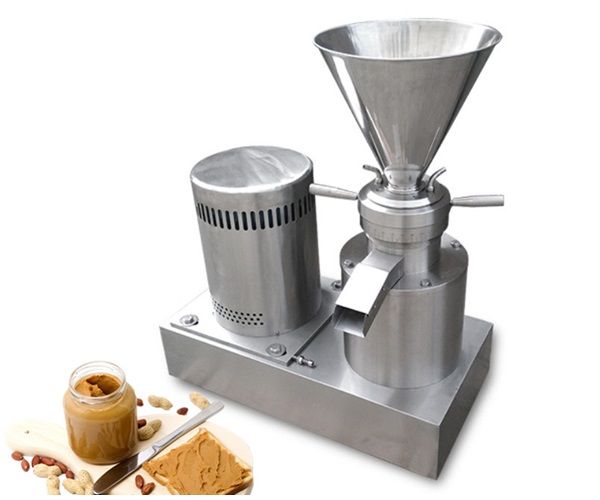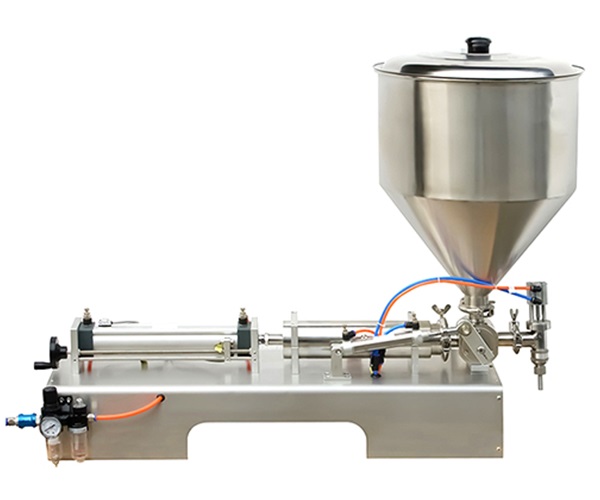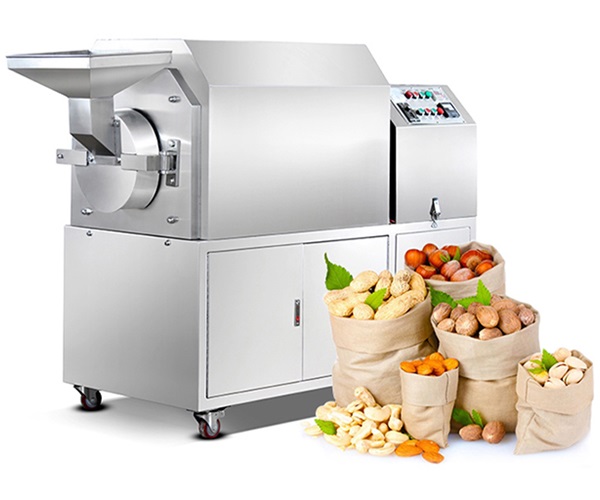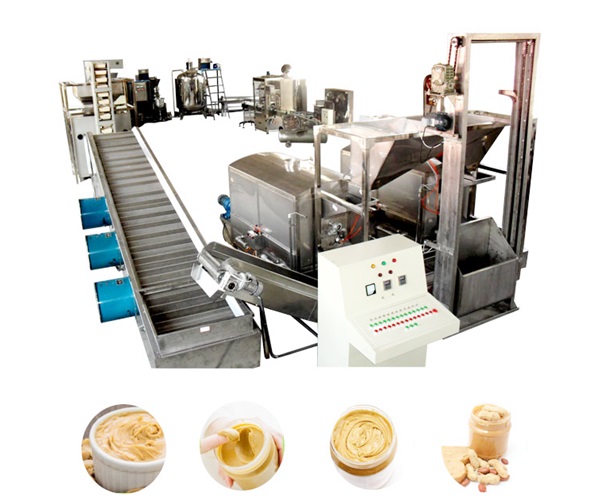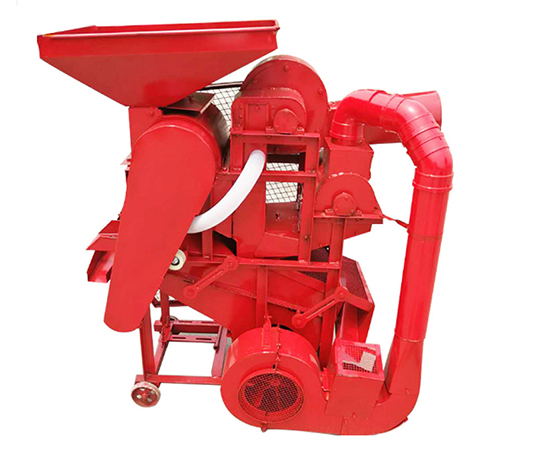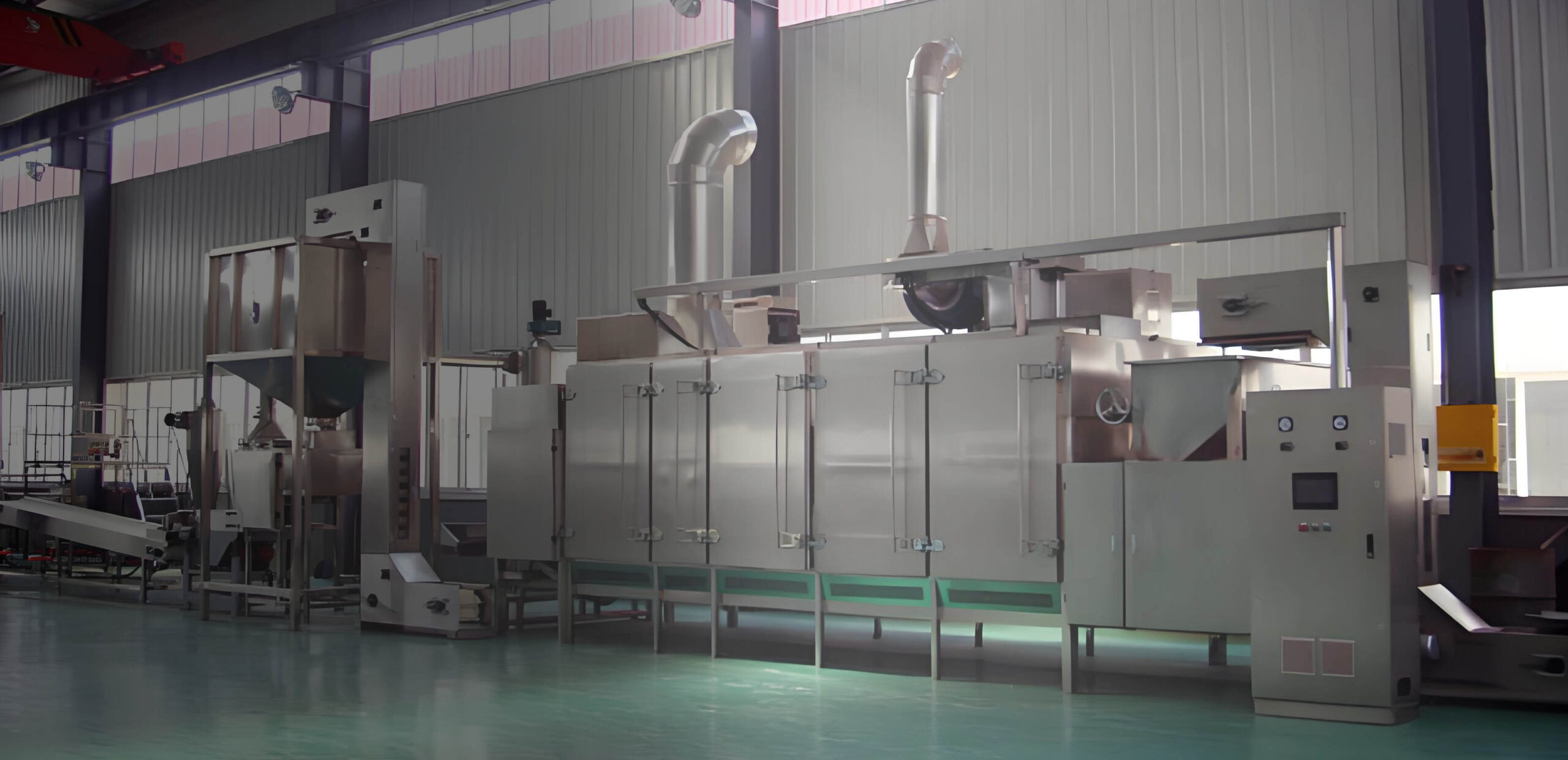

The short answer: Machine-dependent, not universal. Whether a peanut butter machine can grind raw peanuts depends entirely on its design specifications. Some commercial-grade peanut butter machines—particularly colloid mills and heavy-duty stone grinders—are engineered to process raw, shelled peanuts directly. Others, especially entry-level or home-use models, rely on the lower viscosity and released oils of roasted peanuts to achieve a smooth paste without stalling or overheating.
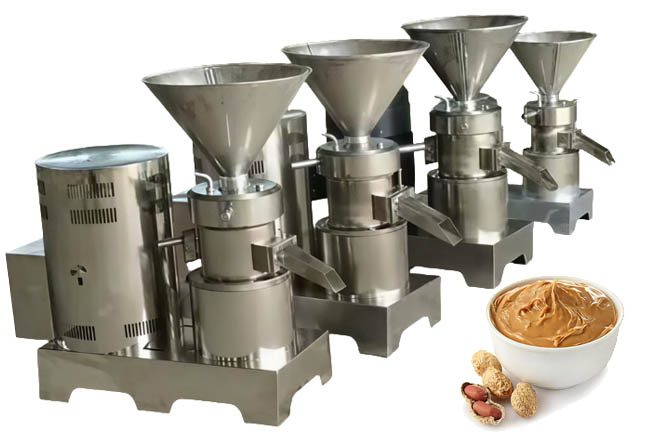
Before loading raw peanuts into any peanut butter machine, verify the manufacturer’s documentation. A machine rated for raw peanut processing will typically specify a higher motor torque, a grinding chamber designed for extended retention time, and thermal management features to handle the friction heat generated by dry, hard raw kernels. Attempting raw grinding in a machine not designed for it risks motor burnout, clogging, or incomplete particle size reduction.
How a Peanut Butter Machine Actually Reduces Peanuts to Paste
Understanding the mechanism clarifies why raw peanuts demand more from a peanut butter machine. Nuts do not become butter simply because they are chopped finely. They become butter through a two-stage process: comminution (particle size reduction) followed by oil release and emulsification. Friction generated during grinding warms the peanut mass, rupturing cell walls and liberating endogenous peanut oil, which then coats the solid particles and creates a continuous phase.
Commercial peanut butter machines—particularly colloid mills—achieve this through a rotor-stator assembly operating at high rotational speed. The relative movement between rotor and stator subjects the material to shear forces, high-frequency vibration, and grinding action across multiple zones (coarse, fine, and ultra-fine). The gap between rotor and stator is adjustable, allowing operators to target specific particle size distributions. Industrial butter mills can achieve coarse particle sizes of 20–45 µm and fine particle sizes of 10–15 µm using interchangeable grinding plates.
Raw peanuts present a specific challenge: they are drier and contain less available surface oil than roasted peanuts. The peanut butter machine must therefore generate sufficient friction heat and apply sustained shear to rupture intact oil bodies before a smooth, flowable paste can form. Machines with undersized motors or short grinding paths may fail at the “stiff ball” stage—a phenomenon where the ground mass clumps and climbs the chamber walls before oil release occurs.
Raw vs. Roasted Peanuts: A Technical Comparison
The choice between raw and roasted peanuts affects peanut butter machine performance, product quality, and food safety. The table below summarizes the key technical differences.
| Parameter | Raw Peanuts | Roasted Peanuts |
|---|---|---|
| Grinding difficulty | Higher; drier mass, less free oil | Lower; roasting releases oil and softens tissue |
| Typical processing time | Longer residence time required | Shorter; oil release accelerates emulsification |
| Flavor profile | Mild, “green,” natural | Nutty, roasted, Maillard-derived aromatics |
| Microbiological risk | Salmonella presence possible on raw kernels | High-temperature roasting achieves log reduction |
| Nutrient retention | Tocopherols and heat-sensitive nutrients largely intact | Some degradation of tocopherols at higher temperatures |
| Optimal roast (if roasting) | N/A | ~140°C balances sensory acceptance with minimal oil/tocopherol degradation |
When evaluating a peanut butter machine for raw peanut capability, request the following from the supplier: rated motor power and torque curve, grinding chamber geometry, residence time at specified feed rates, thermal protection specifications, and any validation data for raw material processing. A machine marketed simply as a “peanut butter machine” without documentation of raw-input capability should not be assumed suitable.
FAQ
Can I grind raw peanuts in a standard home peanut butter machine?
Not necessarily. Many home models are designed around roasted nuts and may stall, overheat, or produce gritty paste with raw peanuts. Check the manual for explicit raw-peanut suitability before attempting.
Does grinding raw peanuts in a peanut butter machine kill Salmonella?
No. Grinding generates friction heat but does not achieve the validated thermal kill step required for pathogen reduction. Raw peanuts intended for butter production should undergo a validated treatment (e.g., roasting) first.
Why do some peanut butter machines struggle with raw peanuts?
Raw peanuts are drier and harder, with less free oil to lubricate the grinding zone. Machines with low torque or short grinding paths cannot generate sufficient friction and shear to rupture oil bodies before the mass seizes.
What particle size can a commercial peanut butter machine achieve?
Industrial butter mills can reach fine particle sizes in the range of 10–15 µm, depending on plate configuration and operating parameters. This level of comminution is necessary for smooth, non-gritty texture.
Is raw peanut butter more nutritious than roasted?
Raw peanuts retain more heat-sensitive nutrients (e.g., certain tocopherols), but roasting at moderate temperatures (~140°C) preserves most quality parameters while substantially reducing microbiological risk and improving flavor acceptance.