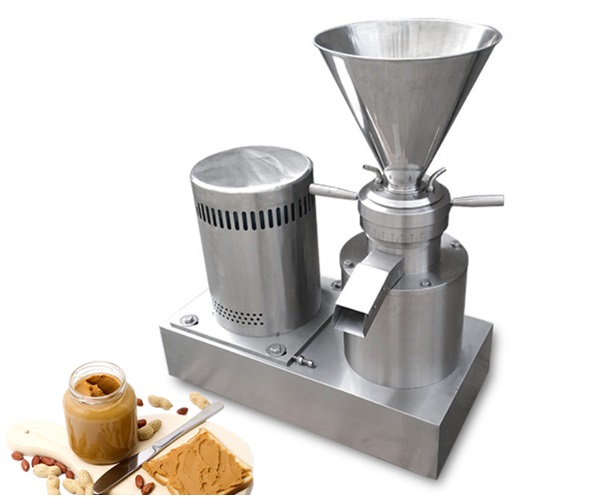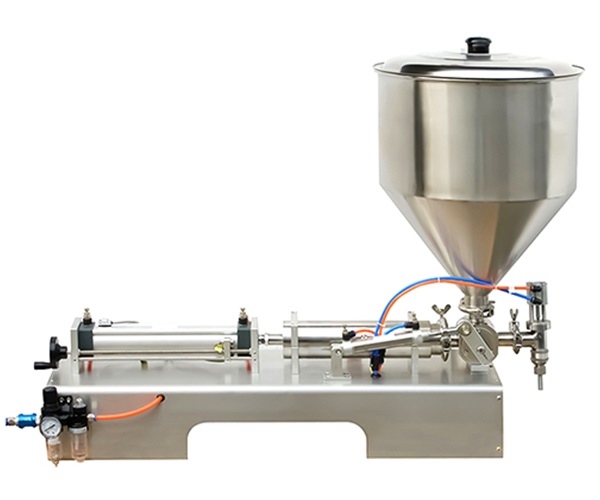

In the highly competitive peanut butter industry, the quality of the final product—whether smooth, creamy, or chunky—depends primarily on the peanut butter machine you choose, rather than on the peanuts themselves. A poorly designed grinder produces peanut butter with a coarse texture, severe oxidation, and a short shelf life; in contrast, a precision-engineered industrial peanut colloid mill produces peanut butter with a silky-smooth texture, uniform particle size, and excellent taste.
To assess whether a peanut butter production line meets professional standards, you must look beyond basic specifications and examine the following three key engineering parameters:
1. Rotational Speed and Tip Shear Force
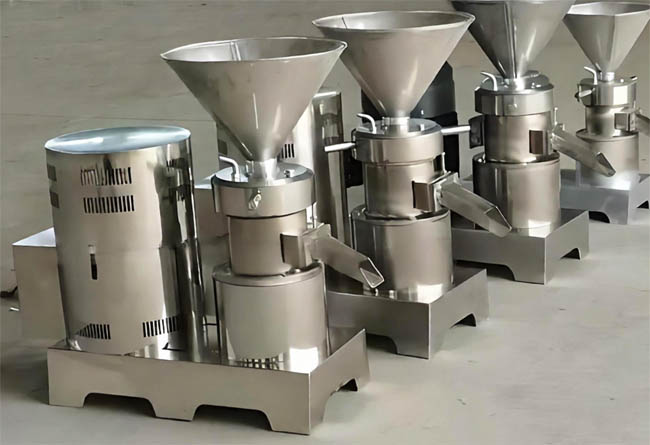
Most entry-level peanut butter machines operate at low rotational speeds, typically below 2,800 revolutions per minute (RPM). This speed is insufficient to generate the hydrodynamic shear force needed to effectively break down peanut cell walls. As a result, the final peanut butter contains particles larger than 50 micrometers, resulting in a coarse texture.
High-performance peanut butter grinders must achieve a blade tip velocity of at least 40–50 meters per second. This is typically achieved through a two-stage motor system operating at 2,900–3,600 RPM. At this speed, turbulence and cavitation effects within the grinding chamber reduce particle size to below 25 micrometers (ideally 15–20 micrometers), resulting in a stable, uniform emulsion without the need for excessive amounts of fat or emulsifiers.
2. Grinding Head Geometry and Multi-Stage Fine Grinding
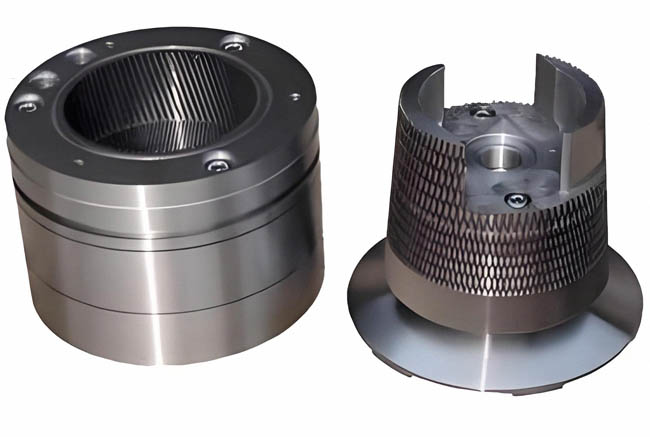
The grinding head (also known as the stator-rotor assembly) is the core component of any peanut butter machine. Inexpensive machines feature uniform groove depths across the entire working surface. This single-stage design forces all material to pass through the same gap simultaneously, resulting in uneven particle size distribution—larger particles remain, while fine particles are over-ground, leading to sudden temperature spikes and oil-water separation.
High-quality peanut butter processing equipment employs a progressive gap design:
- Top section: Coarse grooves (depth: 2.0–2.5 mm, width: 3.0 mm), used to preliminarily crush whole peanut kernels into coarse powder.
- Middle section: Medium-depth grooves (depth: 1.0–1.2 mm, width: 1.5 mm), used for secondary shearing and fiber breakdown.
- Bottom section: Fine micro-grooves (depth: 0.3–0.5 mm, width: 0.6 mm), used for final emulsification and homogenization.
This cascading refinement process ensures a gradual reduction in particle size and avoids the “smearing” effect commonly seen in single-gap grinders. The multi-stage grinding head also allows for gap adjustment (typically with a tolerance of 0.01–0.05 mm), enabling a switch between ultrafine and crisp textures without replacing the cutting tools.
3. Mechanical Seals and Thermal Management
High-speed grinding generates significant frictional heat—at a speed of 3,000 rpm, the temperature in the grinding zone can exceed 90°C within 10 minutes of continuous operation. If cooling and sealing are inadequate, high temperatures can lead to: accelerated lipid oxidation, resulting in oil rancidity and off-flavors; and damage to mechanical seals, causing oil and abrasive peanut particles to leak into the bearing housing.
Professional peanut butter equipment uses double-acting mechanical seals to address this issue:
- Silicon carbide vs. tungsten carbide sealing faces, which offer a hardness > 2,200 HV and a friction coefficient < 0.1, ensuring longevity even under dry-running conditions.
- Integrated cooling jackets that circulate chilled water (5–10°C) around the seal chamber, maintaining the seal face temperature below 70°C.
- Pressure-balanced bellows that accommodate thermal expansion while maintaining a constant face load (typically 0.3–0.5 MPa), preventing leakage even when processing high-oil-content materials (up to 55% fat).
4. Other Considerations for the Complete Production Line
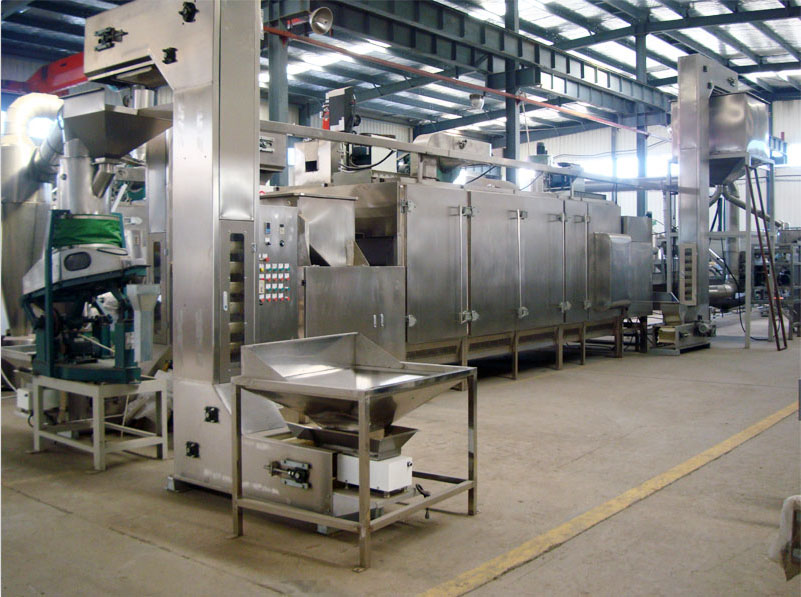
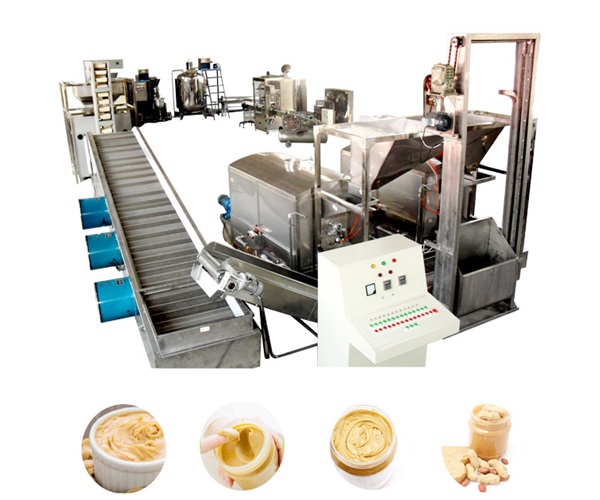
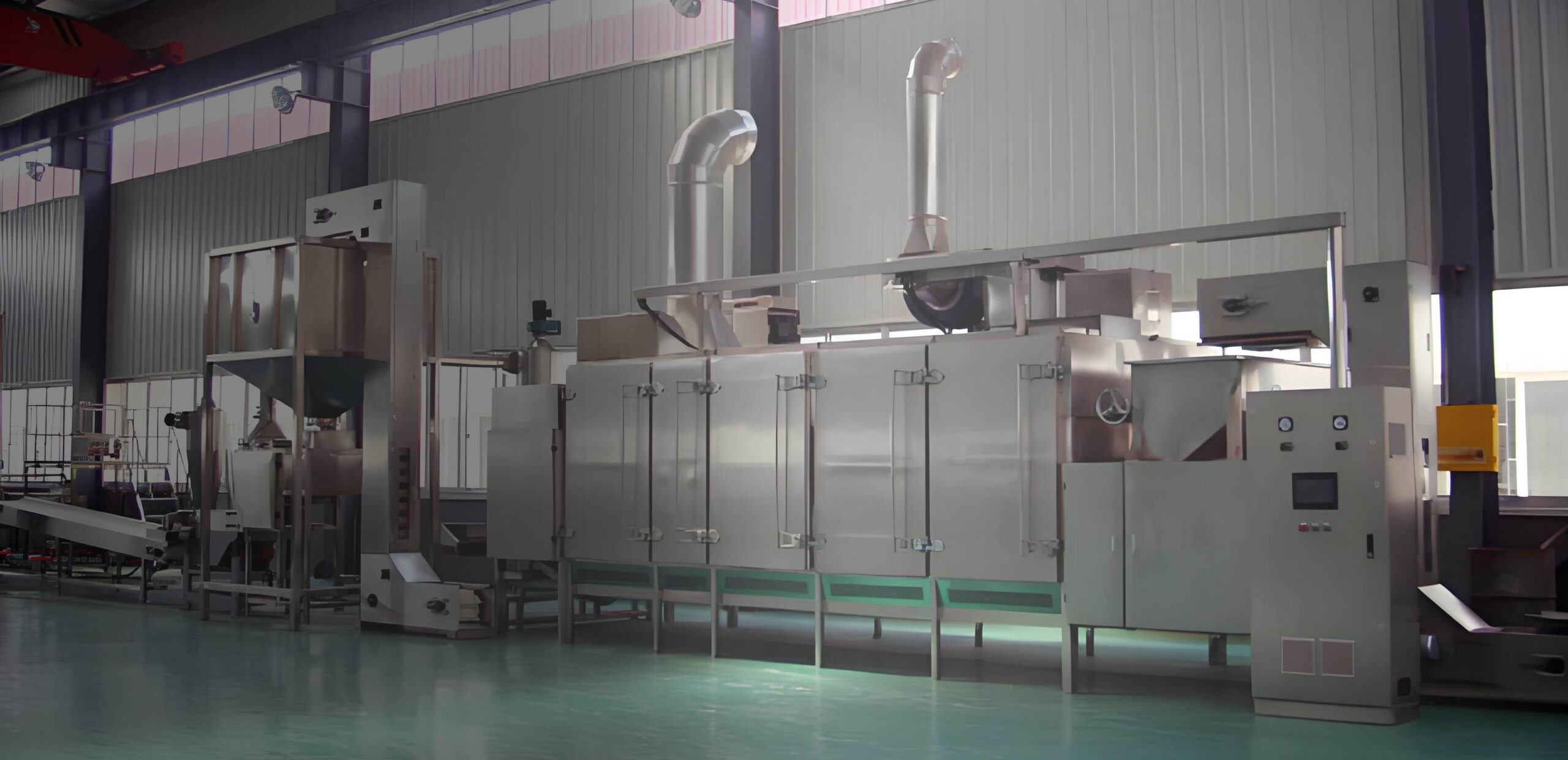
In addition to the grinder itself, an efficient, fully automated peanut butter production line integrates the following equipment:
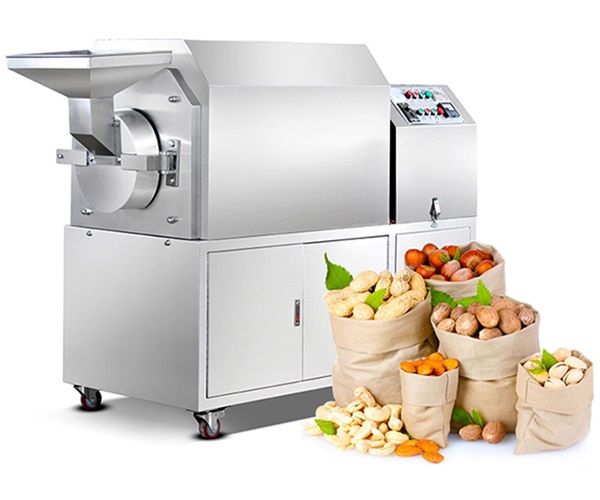
- A peanut roasting machine equipped with precise temperature control (160–180°C, 15–20 minutes) to generate Maillard reaction products while preserving oleic acid content.
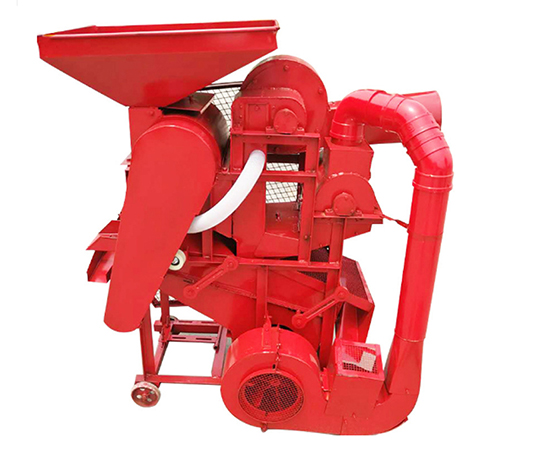
- A peanut peeling machine that removes peanut skins via dry friction or wet suction (residual skin rate < 0.5%), reducing the risk of aflatoxins and bitter tannins.
- A degassing tank that removes dissolved oxygen (to < 2 ppm) prior to filling, extending shelf life by 30–50%.
- In-line viscosity meters that adjust oil addition dynamically, maintaining a consistent consistency index (e.g., 150–200 Bostwick units) across batches.
For three decades, our company has designed, manufactured, and commissioned complete peanut butter production solutions for more than 40 countries and regions. Contact us today to receive a free grinding test (using your own peanut samples), a detailed thermal analysis report, or a customized quote. Let our three decades of engineering excellence become your competitive advantage.