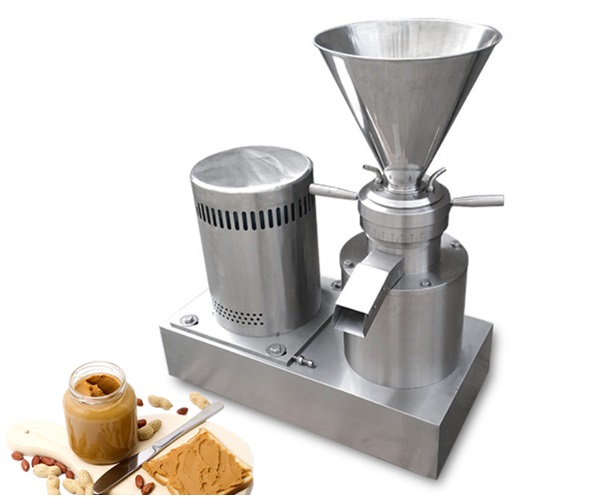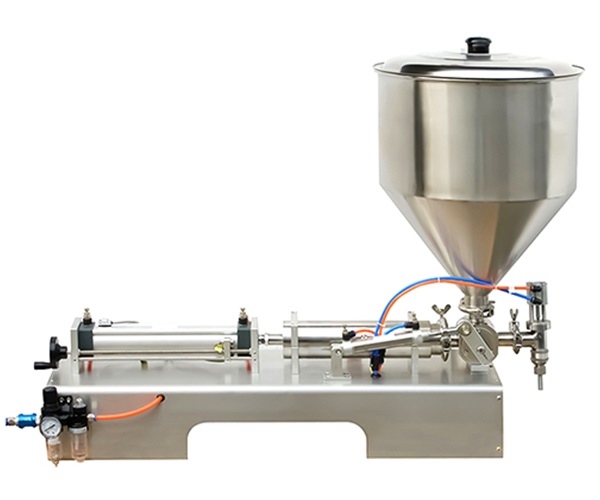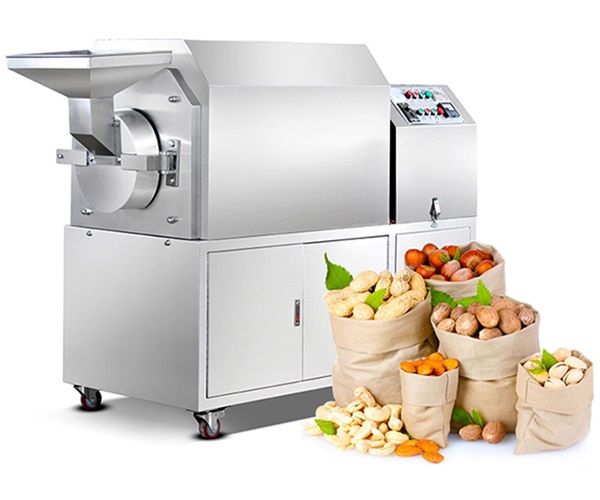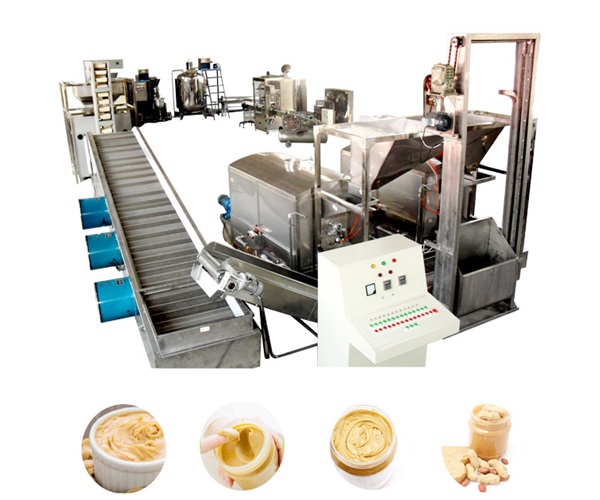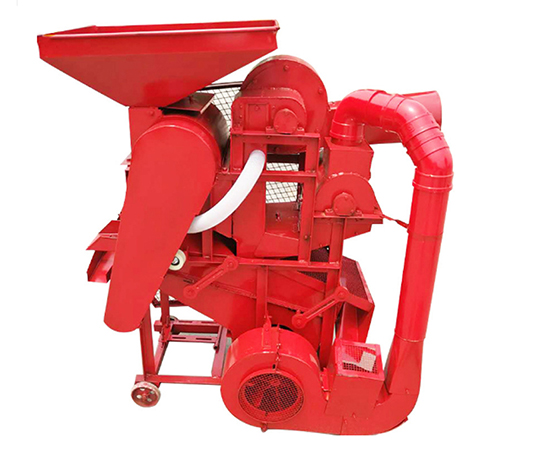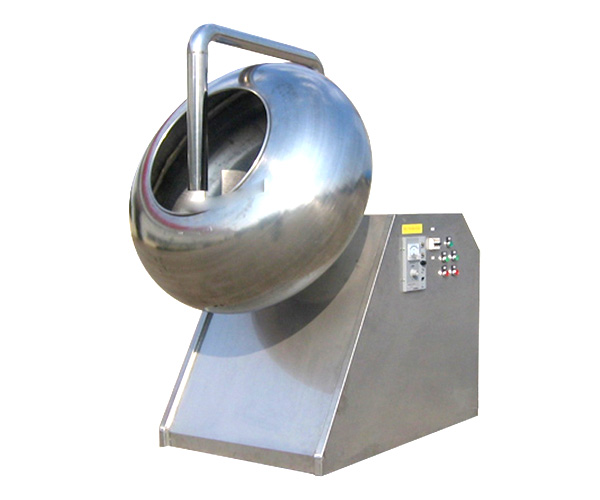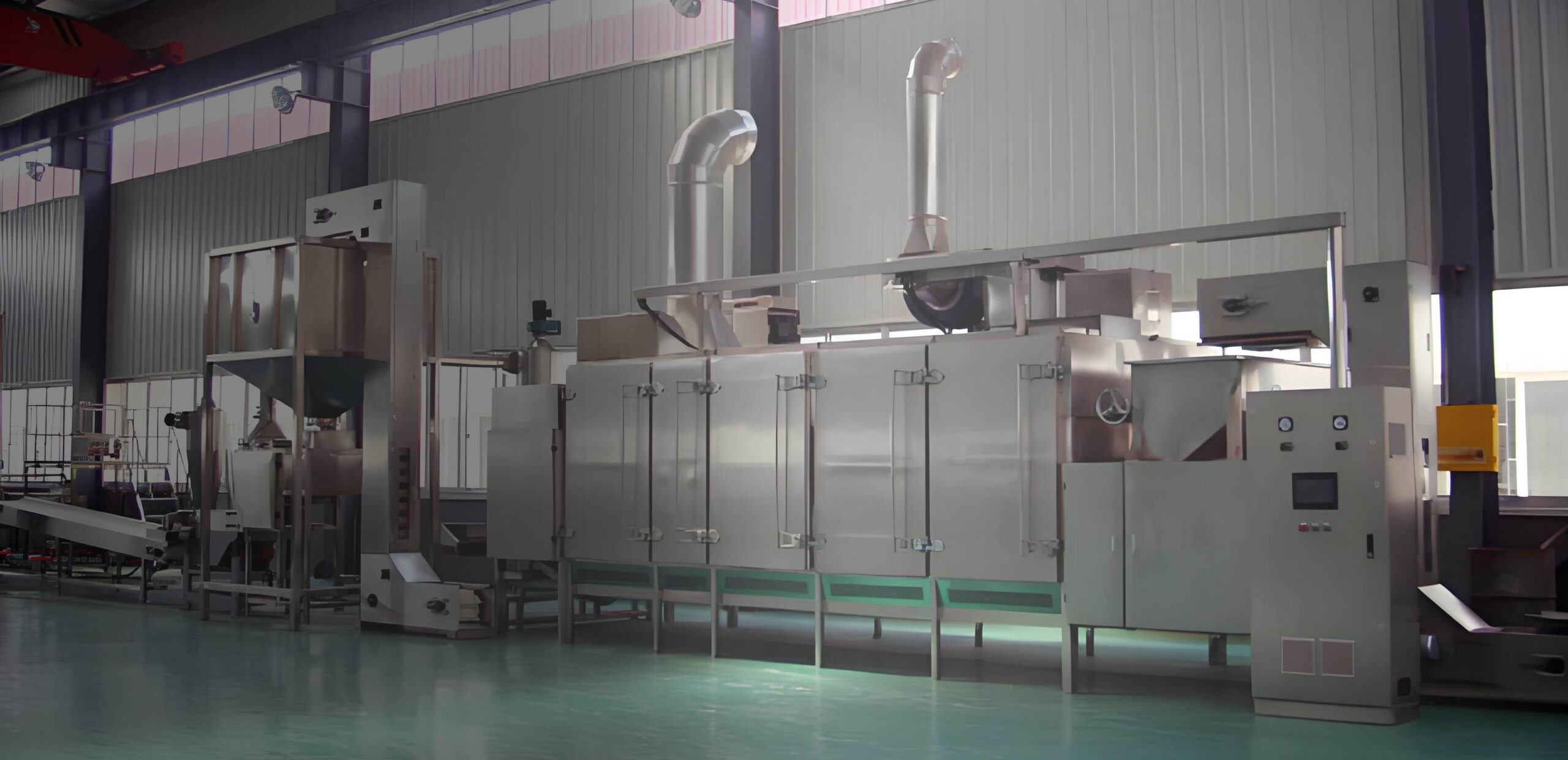

The peanut peeling machine is a specialized piece of peanut processing equipment designed to remove the reddish seed coat (testa) from raw or roasted peanuts. This process is a critical step in the production of products such as fried peanuts, peanut cakes, peanut candy, peanut milk, peanut protein powder, and peanut butter. Particularly on peanut butter production lines, residual seed coats can cause bitterness, textural defects, and a shorter shelf life.
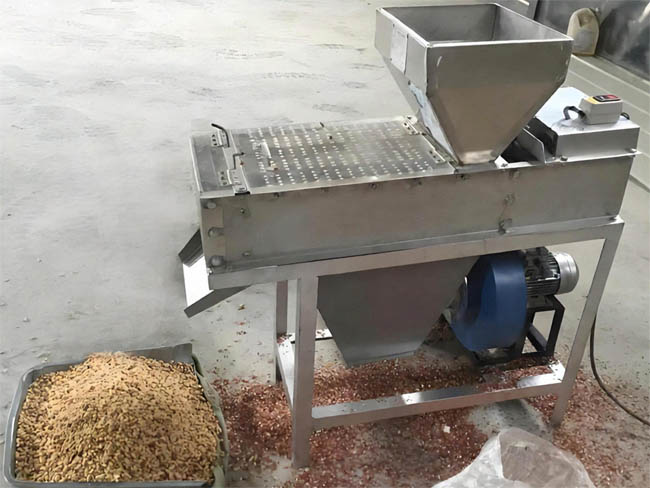
Since the peeling process directly impacts the efficiency of subsequent steps—such as grinding, refining, and degassing—selecting a reliable peanut peeling machine is not merely a purchasing decision but a strategic investment in product quality and operational cost control.
1. Low Crushing Rate and High Kernel Integrity
A high-quality peanut peeling machine should be able to keep the breakage rate below 3% to 5%, with the exact figure depending on the peanut variety and moisture content. After dehusking, the cotyledons should remain intact, with a uniform color ranging from white to off-white, and show no browning or scorching (scorching or browning indicates excessive frictional heat or inappropriate rubber roller hardness). Protein denaturation begins at temperatures above 60°C; excessively high temperatures during the hulling process reduce the nitrogen solubility index (NSI), directly affecting emulsification and foaming properties in peanut butter production lines and protein isolation processes. Intact kernels also reduce the rate of oil oxidation, as broken cells release lipoxygenases that accelerate oil rancidity.
Select machines equipped with adjustable roller gaps, variable-speed motors, and built-in cooling air systems to ensure that peanut kernels remain below 45°C during operation.
2. Automatic and Efficient Peel–Kernel Separation
High-quality peanut peeling machines integrate suction or blow-off systems to continuously remove loose hull fragments from the hulling chamber, preventing them from re-adhering. Efficient separation not only yields clean, hull-free peanut kernels for subsequent grinding but also reduces labor costs and minimizes the risk of cross-contamination. In continuous peanut butter production lines, this feature ensures that the grinder receives uniformly hulled raw material, thereby stabilizing the particle size distribution (PSD) and reducing the load on the system.
3. High Peeling Rate and Stable Performance
The peeling rate—defined as the percentage of kernels with >95% skin removal—is the primary performance metric. Top-tier machines can achieve a peeling rate of 98–99.5% at optimal feed rates (e.g., 200–500 kg/h for medium-sized models). Key factors affecting peeling efficiency include:
- Rubber roller hardness (Shore A 70–85) and surface texture, which affect friction without generating shear forces.
- Peanut pretreatment—dry roasting (120–140°C, 10–15 minutes) or wet blanching (soaking in 80–90°C water for 2–3 minutes)—softens the seed coat, making it easier to peel.
- Residence time control, determined by the pitch and rotational speed of the screw conveyor (typically 150–300 RPM).
A high peeling rate directly improves the visual appearance and taste of the final product, particularly in peanut candies and flavored snacks, where residual skins cause dark specks and astringent aftertastes.
4. Durable Construction and Long Service Life
The peanut peeling machine is equipped with IE3 or IE4 high-efficiency motors, featuring overheat protection and an IP55-rated enclosure, which reduces downtime and energy costs (saving 8% to 12% in annual electricity consumption). Replaceable rubber rollers—made of food-grade nitrile rubber (NBR) or polyurethane—offer a service life of 2,000 to 4,000 hours before requiring recoating. It is essential that the frame be constructed of 304 or 316L stainless steel to prevent rust and comply with global food safety standards (FDA, EC 1935/2004).
5. Additional Considerations for Integration into a Peanut Butter Poduction Line
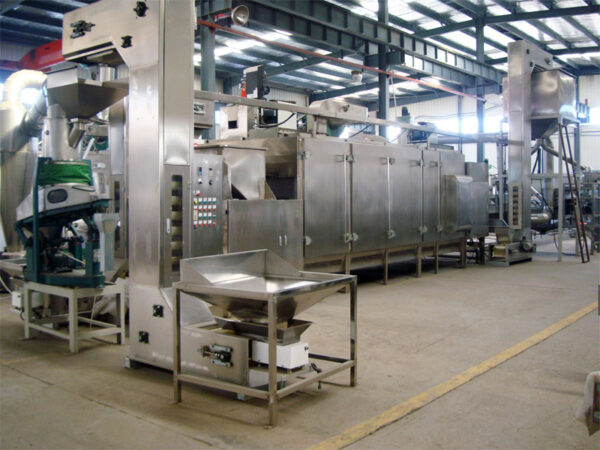
When evaluating whether a peanut peeling machine is suitable for integration into a complete peanut butter production line, the following factors should be considered:
- Throughput matching: The peeler’s capacity (kg/h) should align with the colloid mill or stone grinder downstream, avoiding bottlenecks.
- Hygienic Design: Compatibility with CIP (Clean-in-Place) and seamless welding prevent bacterial growth, which is critical for shelf-stable peanut butter with a water activity of <0.6.
- Noise and Dust Control: An enclosed peeling chamber equipped with sound-insulating materials (≤75 decibels) and an integrated dust collector enhances workplace safety and complies with relevant regulations.
- Automation Readiness: Machines equipped with PLC interfaces and IoT sensors can monitor roller wear, vibration, and power consumption in real time, thereby supporting predictive maintenance in an Industry 4.0 environment.
Given the varying quality levels of peanut peelers on the market, understanding these evaluation criteria helps purchasers make data-driven, cost-effective decisions that enhance product quality and operational profitability.