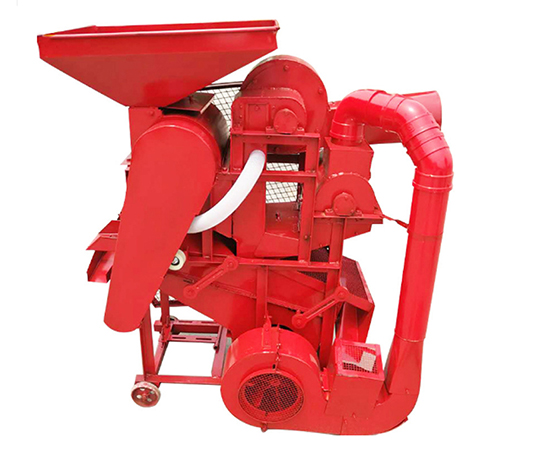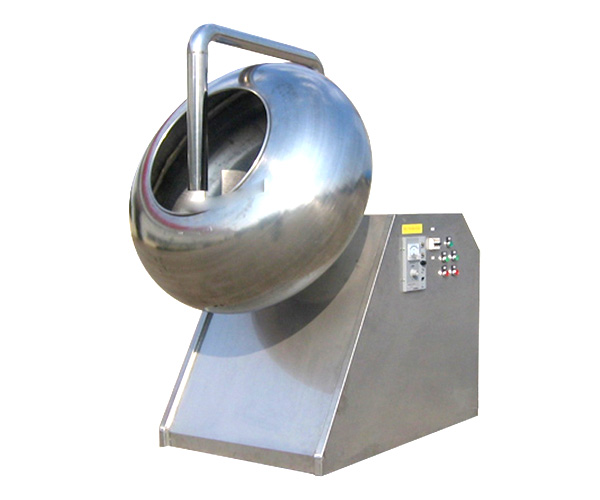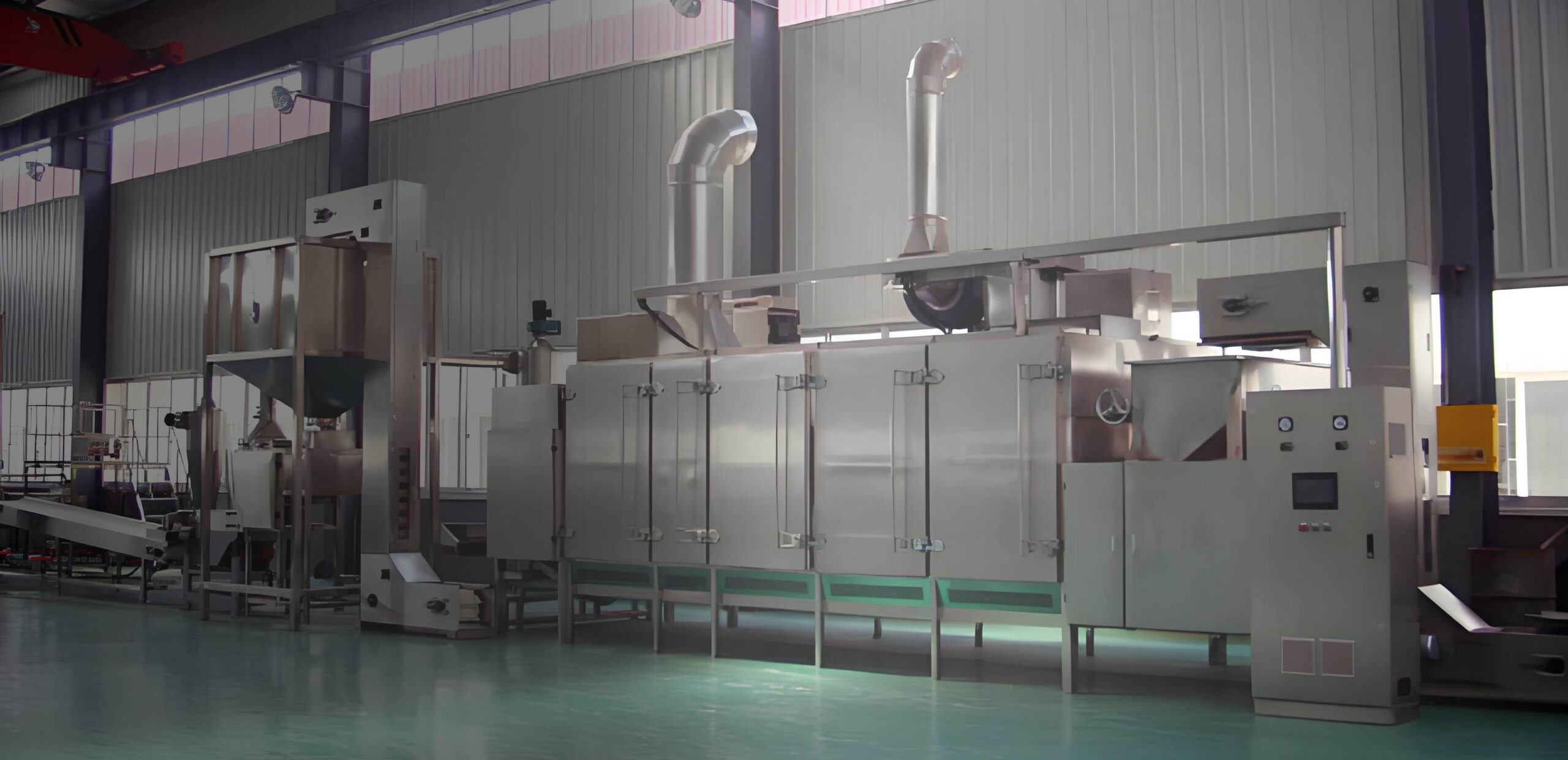

High-quality peanut butter typically features a light beige color, a smooth and creamy texture, and is made from carefully selected premium peanuts and other ingredients. However, with so many varieties available on the market, how can you choose the best one? This article will outline the key factors to consider when selecting peanut butter. If you plan to make your own peanut butter, we’ll also introduce essential equipment to help you produce fresh, preservative-free peanut butter at home or in a commercial setting.
What Makes Peanut Butter High-Quality?
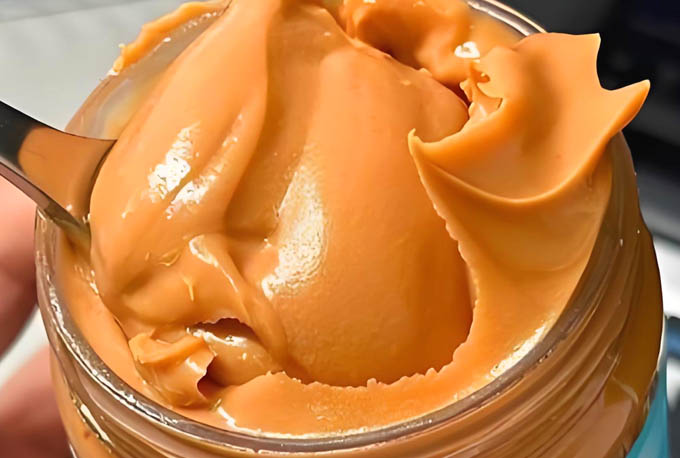
High-quality peanut butter is defined by its ingredients, texture, and freshness. It should have a dense consistency, rich peanut aroma, and a smooth, spreadable texture. The color should be uniform and natural, typically light beige or golden brown. Lower-quality peanut butter often contains additives, excessive sugar, or unhealthy fats, which compromise both flavor and nutritional value.
7 Tips for Selecting The Best Peanut Butter
1. Check the Label
Packaged peanut butter must include detailed information such as ingredients, net weight, production date and expiration date, storage instructions, manufacturer contact details, and certification numbers. Missing information may indicate poor quality or non-compliance with safety standards. Always choose products with a recent production date.
2. Read the Ingredient List
Ingredients are listed in descending order by weight. Premium peanut butter has minimal ingredients—ideally just peanuts, perhaps with a pinch of salt. Avoid products containing hydrogenated oils, high-fructose corn syrup, or artificial preservatives. These additives not only diminish nutritional value but may also impact long-term health.
3. Check the Color
Authentic, high-quality peanut butter typically ranges from light beige to pale brown. Flavored varieties, such as those with sesame or chocolate, may appear darker. However, any unnatural color or spotting could indicate poor processing or inferior ingredients.
4. Smell the aroma
Open the jar and take a whiff. Fresh peanut butter should emit a rich, nutty fragrance. If it smells musty, burnt, or completely odorless, it’s likely spoiled or made with low-quality peanuts. A sour or rancid smell is a clear sign the peanut butter has oxidized and gone bad.
5. Check the Oil Layer
Natural peanut butter often separates, with oils rising to the surface. A thin layer of oil is normal, especially in preservative-free varieties. However, a thick oil layer or an overly greasy appearance may indicate the product is expired or poorly processed. Stir it up—if it mixes evenly, the peanut butter is still safe to eat.
6. Test the texture
Quality peanut butter should be thick and spreadable, not watery. If it flows like liquid, it likely contains added oils or emulsifiers. A thick, smooth texture indicates higher peanut content and better grinding.
7. Taste Test
Ultimately, taste is the best judge. Quality peanut butter delivers a smooth mouthfeel with a rich, lingering peanut flavor. It shouldn’t be overly sweet, salty, or leave an oily aftertaste. If the flavor seems bland or artificially enhanced, consider another brand.
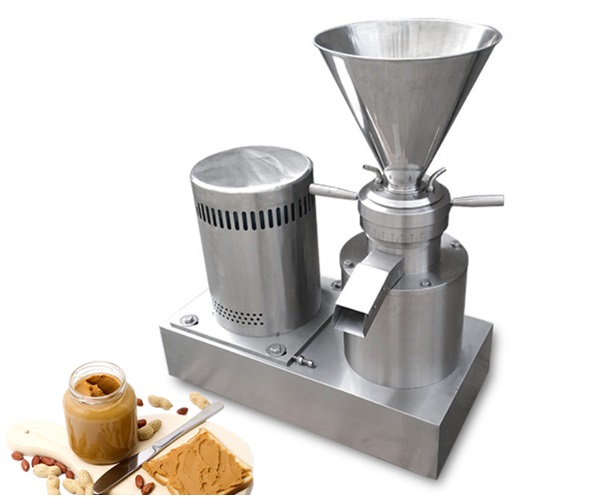
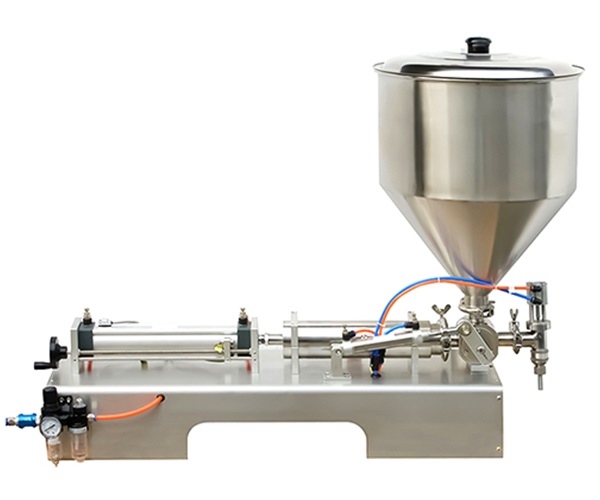
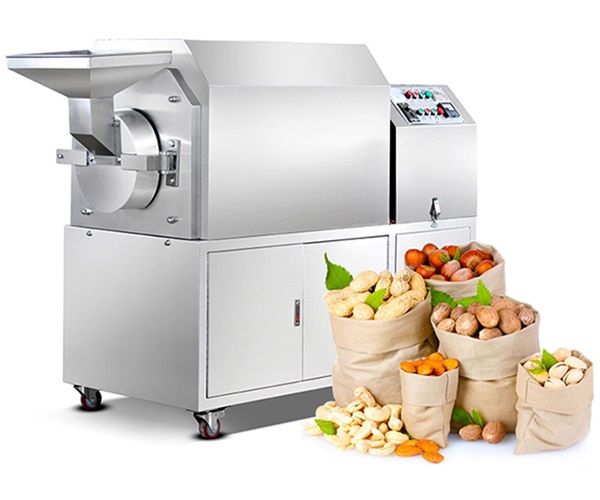
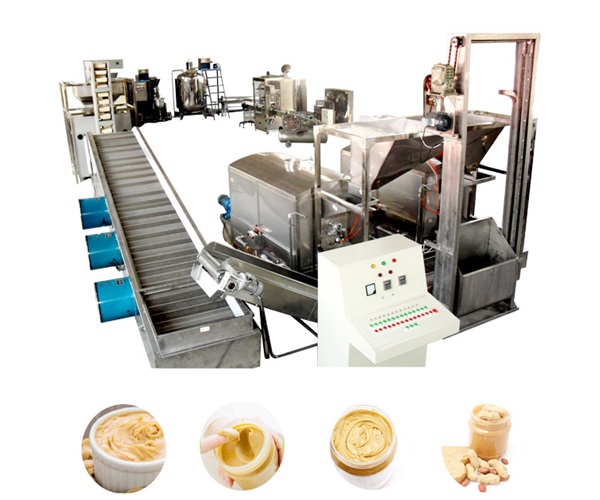
While store-bought peanut butter offers convenience, homemade versions let you control ingredients and customize flavors. You can avoid added sugars, salts, and preservatives while experimenting with roasted peanuts, honey, cocoa powder, or even spices. As a professional peanut processing equipment manufacturer, Huanyang offers high-performance peanut butter machines suitable for both home and commercial use. These machines utilize advanced grinding technology to transform peanuts into a fine, smooth paste. Whether you’re a home cook or small business owner, investing in a quality machine ensures consistent texture and high yield.